ADHD in Women
12 Powerful, Hopeful Insights for Better Recognition, Diagnosis, and Support.
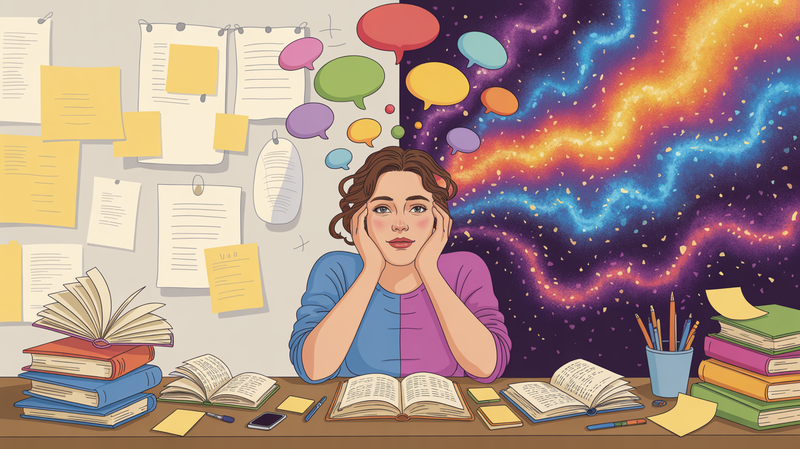
Learn how ADHD in women can look different, why diagnosis is often delayed, and what treatment, coping skills, and support can improve daily life.
Many people still picture ADHD as a young boy who cannot sit still in class. That old image is one reason ADHD in women is often missed, delayed, or misunderstood. For many women, the struggle does not look loud. It looks like mental clutter, missed deadlines, emotional overload, constant self-correction, and exhaustion from trying to stay on top of everything.
ADHD is a neurodevelopmental condition that begins in childhood and often continues into adult life. In adults, it may show up as inattention, impulsivity, poor organization, and internal restlessness that affects work, home, or relationships.
In practice, many women spend years being called scattered, too sensitive, lazy, anxious, or inconsistent before anyone asks the better question: could this be ADHD? That delay matters, because the right explanation can open the door to better treatment, stronger self-understanding, and real relief. NHS guidance also notes that ADHD is recognized less often in women, in part because inattentive symptoms can be harder to spot than more obvious hyperactive behavior.
ADHD in women
ADHD is not a character flaw. It is not poor motivation. It is not a lack of intelligence. It is a pattern of inattention and-or hyperactivity-impulsivity that interferes with daily functioning, and in adults it can affect multiple parts of life, including work, relationships, and home responsibilities.
Historically, ADHD was described and studied more often through the behavior patterns seen in boys. A women-specific NHS patient resource explains that this history helped shape a narrow picture of the condition, even though women can experience the same type, number, and severity of symptoms.
Why ADHD can look different in women
Many women lean more toward inattentive symptoms than obvious hyperactivity. That can mean trouble concentrating, poor working memory, losing track of tasks, mental drift, and difficulty organizing daily life. Instead of “bouncing off the walls,” adult hyperactivity may feel like inner restlessness, constant mental movement, or an inability to switch off.
Another reason it looks different is masking. Some women become expert at copying systems that help them appear organized on the outside while feeling overwhelmed inside. They may over-prepare, stay up late catching up, apologize often, and work twice as hard just to look “normal.” An NHS patient leaflet specifically notes that women may internalize emotions and mask symptoms to fit social expectations, which can hide the problem from others.
Why diagnosis is often delayed
ADHD usually starts before age 12, but that does not mean diagnosis happens early. Adults may not be assessed until life becomes more demanding, such as during higher education, parenthood, relationship stress, or a high-responsibility job. NHS and CDC guidance both note that symptoms must be persistent and linked to real impairment, which means many people are only identified when the coping systems finally stop working.
In practice, late recognition is common when a woman’s child is assessed first, or when years of burnout make the old coping style impossible to maintain. That does not mean the symptoms are new. It often means the explanation was missed.
Common symptoms to notice
The core symptoms still fall into the familiar ADHD areas: inattention, hyperactivity, and impulsivity. But the daily experience can be more subtle than people expect.
Inattention and mental overload
Inattention can look like:
losing track of conversations
forgetting appointments
starting tasks but not finishing them
making careless mistakes
misplacing everyday items
struggling to plan multi-step tasks
zoning out when something is boring or repetitive
These patterns are well described in CDC, NHS, and APA guidance on adult ADHD.
For women, this often shows up as the “invisible” failure to hold a hundred moving parts in mind at once. The calendar may be full, the to-do list may be long, and the mental effort to manage both can become exhausting.
Hyperactivity that feels internal
Adult hyperactivity is not always physical. It may feel like:
inner agitation
fidgeting
talking too much when nervous
racing thoughts
difficulty resting
feeling uncomfortable in silence or stillness
APA and CDC both note that hyperactivity in adults may decrease from childhood or appear more as internal restlessness and fidgeting.
This matters because a woman who seems calm to others may still feel as if her brain never stops moving.
Impulsivity and emotional intensity
Impulsivity may include interrupting, blurting things out, overspending, acting before thinking, or chasing urgency because it creates focus. Emotional regulation can also be hard. Small setbacks may feel huge. Frustration can spike quickly. Shame can linger longer than it should. APA guidance notes that adults with ADHD may struggle to control impulsive behavior and emotional outbursts.
In practice, many women are especially confused by this part. They may think, “I know what to do, so why can’t I do it consistently?” That gap between knowledge and follow-through is a common reason people seek help.
How symptoms affect everyday life
Symptoms matter because of what they do to life, not because a checklist says so. NIMH describes ADHD as a condition that makes it hard to function in key areas such as home, school, or work.
Work, study, and productivity
At work or in school, ADHD may affect:
starting boring tasks
estimating time accurately
staying organized
meeting deadlines without last-minute panic
completing long tasks unless they are highly interesting
CDC and APA both highlight these adult patterns.
A common mistake is assuming high achievement rules ADHD out. It does not. Some women perform well for years by using stress as fuel. The cost is often burnout, anxiety, and a constant sense of being one step behind.
Home life and the invisible mental load
Home can be one of the hardest places because it has no clean finish line. Laundry returns. Meals repeat. Paperwork stacks up. Children need different things at once. That is a tough environment for a brain that struggles with working memory, sequencing, and task initiation.
Women often carry a heavy “mental load,” which can make ADHD symptoms more visible. When every task depends on remembering, prioritizing, and switching attention, the strain grows fast. An NHS patient resource notes that undiagnosed women may experience significant daily-life challenges that affect self-esteem, wellbeing, and social functioning.
Relationships, self-esteem, and shame
ADHD can create friction in relationships when one person sees missed details, lateness, clutter, or emotional reactivity but not the effort happening behind the scenes. Over time, women may start to believe harmful stories about themselves: careless, flaky, dramatic, weak, or lazy.
That shame is one of the heaviest parts of the condition. It is also one of the most treatable once the pattern is understood. Clear diagnosis, education, and support can reduce self-blame and help people build strategies that match how their brain works. NICE guidance emphasizes not only diagnosis and medication, but also information, support, and better quality of care.
Hormones and life stages can change the picture
Symptoms do not always stay the same across life. A women-focused NHS patient leaflet states that hormonal fluctuations and transitions can influence ADHD symptoms, and it highlights the menstrual cycle, pregnancy and postnatal periods, and menopause as important times to watch.
The menstrual cycle
Some women notice that the first half of the cycle feels smoother and the second half feels harder, especially for focus, organization, emotional steadiness, and frustration tolerance. The Berkshire NHS leaflet explains that estrogen may support attention-related brain systems, while later-cycle hormone shifts may make symptoms feel worse and may even reduce how effective medication feels for some people.
That does not mean every woman will notice a pattern. But if symptoms seem to rise and fall every month, tracking them can be useful.
A simple coaching step is to note, for two or three cycles:
focus
mood
sleep
irritability
forgetfulness
medication response
Patterns are easier to treat when they are visible.
Pregnancy and postpartum
Evidence in pregnancy is still limited, and medication decisions in pregnancy or breastfeeding should always be handled with a clinician. The Berkshire NHS leaflet notes that pregnancy and the postnatal period can change symptom severity, and that sleep loss, new routines, and emotional stress may make management harder after birth.
That is an important safety note: never change ADHD medication on your own during pregnancy, postpartum, or breastfeeding. Get personalized medical advice.
Perimenopause and menopause
Midlife is another period when symptoms may become more noticeable. Berkshire Healthcare’s menopause resource says declining estrogen can affect attention, emotional regulation, organization, and memory, and may make ADHD symptoms feel more severe in peri-menopause and menopause.
In practice, some women only begin to suspect ADHD in midlife because the systems that worked in their 20s and 30s stop holding together. That can be upsetting, but it can also be the turning point that leads to answers.
Conditions that can overlap with ADHD
ADHD rarely exists in a neat, isolated box. NHS guidance notes that people with ADHD may also have depression, anxiety, addictions, or learning difficulties such as dyslexia. APA also notes higher rates of mood disorders, anxiety disorders, substance use disorders, eating disorders, and other psychiatric concerns in people with ADHD.
A women-specific NHS leaflet also lists overlap with autism, depression and anxiety, OCD, eating disorders, bipolar disorder, sleep disorders, substance misuse, and personality disorders.
Why overlap matters
Overlap can hide ADHD. For example, someone may be treated for anxiety while the real driver is years of missed deadlines, overwhelm, and mental chaos. Or a woman may appear depressed when she is actually exhausted from constant compensating. On the other hand, not every distractible or overwhelmed person has ADHD. Other conditions can look similar.
That is why full assessment matters. A good clinician does not stop at one label. They look at your whole history, how symptoms changed over time, and which explanation fits best.
How diagnosis works
ADHD is not diagnosed from one online quiz or one social media post. According to CDC criteria, adults age 17 and older generally need five or more symptoms of inattention and-or hyperactivity-impulsivity, with symptoms present for at least six months and causing impairment. NHS guidance also states that symptoms usually begin before age 12.
NIMH explains that adult ADHD involves a persistent pattern that makes it hard to function in at least two areas of life, such as home and work.
What a full assessment may include
A proper assessment often includes:
a detailed symptom history
questions about childhood patterns
the effect on work, study, relationships, and home life
screening for overlapping conditions
rating scales or questionnaires
input from someone who knows you well, when possible
The NHS notes that a specialist may want to contact a family member or close friend who knows you well as part of assessment.
How to prepare well
Before an appointment, gather real examples. Do not just say, “I struggle to focus.” Say what happens.
Helpful notes include:
how often you lose track of tasks
whether deadlines only happen under panic
what school was like
patterns of lateness, clutter, or forgetfulness
how symptoms affect work, money, parenting, or relationships
any history of anxiety, depression, eating issues, or substance use
That makes the conversation clearer and faster.
A common mistake is minimizing the impact because you have survived. Surviving is not the same as thriving.
Treatment options that can help
There is no single best treatment for everyone. NIMH states that common treatments for adults include medication and psychotherapy, especially behavioral therapy and cognitive behavioral therapy, and that effective care often combines several elements.
NICE guidance also covers recognition, information and support, medication, monitoring, and review, which reflects a broad, ongoing approach rather than a one-time fix.
Medication
Medication can reduce symptoms and improve functioning for many adults. NIMH notes that stimulant medications are common, and Berkshire Healthcare notes that hormonal shifts may affect how well medication seems to work for some women at certain times.
Medication is not a shortcut or a failure. It is one valid treatment option. But it should be prescribed and monitored carefully, especially if you have other health concerns, are pregnant, or notice major changes during menstrual or menopausal transitions. Never adjust dose without your prescriber.
Therapy, coaching, and skills training
Medication can help attention and impulse control, but many adults also need skills support. CBT can help with planning, thinking traps, shame, and routines. Psychoeducation helps people understand why they do what they do. Coaching can help translate insight into systems you actually use.
One of the most useful shifts is moving from blame to design. Instead of asking, “Why am I like this?” ask, “What support does this task need?”
Lifestyle supports that make treatment work better
Lifestyle changes do not “cure” ADHD, but they can lower friction.
The strongest basics are:
sleep that is as regular as possible
simple, repeatable routines
visible reminders instead of mental reminders
movement that helps discharge restlessness
fewer steps between intention and action
lower clutter in high-traffic spaces
These are not glamorous tips, but they work because ADHD management is often about reducing the number of decisions your brain must make.
Practical coping strategies for everyday life
Good ADHD strategies should be easy to repeat. If a system is too complex, it will not survive a busy week.
Time management that fits an ADHD brain
Try this pattern:
use one calendar, not three
set alarms for the start of a task, not just the deadline
break tasks into the smallest visible next step
use timers for “just ten minutes” starts
plan tomorrow before today ends
Adults with ADHD often struggle with organization, task completion, and attention management, so the goal is not perfect discipline. It is lower friction and better follow-through.
Organization without perfectionism
Many women create beautiful systems they cannot maintain. A better rule is “simple beats ideal.”
Examples:
baskets instead of detailed filing
open shelves for daily items
a launch pad by the door for keys, bag, and charger
a short weekly reset instead of marathon cleanups
checklists for repeated routines
In practice, the best system is the one you will still use when tired.
Emotional regulation and recovery after overwhelm
Emotional regulation is easier when you catch overload early. Warning signs may include snapping at people, shutting down, doom-scrolling, crying unexpectedly, or feeling unable to choose the next step.
Helpful reset tools include:
naming the feeling
stepping away for five minutes
drinking water and changing rooms
doing one grounding task
sending a clear message instead of disappearing
lowering demands for the rest of the day when possible
This is not weakness. It is regulation.
How to ask for help and advocate for yourself
You do not need a perfect script. You need a clear one.
When talking to a doctor or therapist, focus on patterns and impact:
“I have had these problems for years.”
“They affect work, home, and relationships.”
“I lose track of tasks, struggle to organize, and feel internally restless.”
“I want an assessment, not just a quick symptom label.”
That aligns well with how ADHD is assessed in adults: persistent symptoms, childhood roots, and real-life impairment across settings.
When talking to a partner, family member, or employer, ask for practical changes rather than general understanding. For example: written follow-ups, shared calendars, fewer verbal-only instructions, or protected focus time.
When to seek urgent help
If overwhelm turns into severe depression, hopelessness, self-harm thoughts, or feeling unsafe, get urgent help right away through local emergency or crisis services. ADHD can overlap with other mental health conditions, and severe distress should never be brushed off as “just being disorganized.” NHS and APA sources both note that ADHD often co-exists with mood, anxiety, and substance-related concerns.
For general education, the National Institute of Mental Health adult ADHD guide is a useful starting point.
FAQs
Can women have ADHD without being hyperactive?
Yes. Many women show more inattentive symptoms than obvious hyperactivity. In adults, hyperactivity may also look more like internal restlessness or fidgeting than visible overactivity.
Is ADHD harder to diagnose in women?
It often can be, because inattentive symptoms are easier to miss, and masking can hide the problem. NHS and women-specific NHS guidance both describe this as a real reason for delayed recognition.
Can hormones affect ADHD symptoms?
For some women, yes. NHS patient resources describe symptom changes across the menstrual cycle, postpartum, and menopause, although the experience varies from person to person and research is still developing in some areas.
What is the best treatment for adult women with ADHD?
There is no one-size-fits-all answer. NIMH notes that treatment often includes medication, psychotherapy such as CBT, or a combination of both, with ongoing adjustment based on response and daily needs.
Can ADHD be mistaken for anxiety or depression?
Yes. Anxiety, depression, and other conditions can overlap with ADHD or be mistaken for it. That is why a full assessment matters more than a quick symptom checklist.
What should I bring to an ADHD assessment?
Bring examples of how symptoms affect real life, notes about childhood patterns if you remember them, and any school, work, or family observations that show long-term impact. The NHS also notes that a specialist may want input from someone who knows you well.
Can a successful woman still have ADHD?
Absolutely. Success does not rule it out. Many women achieve a lot by overcompensating, but the cost can be chronic stress, exhaustion, shame, and inconsistency behind the scenes. Women may look capable to others while still struggling greatly internally.
Conclusion
ADHD in women is real, common, and too often missed. It may look like forgetfulness, emotional strain, internal restlessness, poor follow-through, or years of trying harder without understanding why daily life feels so much harder than it seems to for other people. The good news is that recognition helps. Diagnosis can help. Treatment can help. And practical systems, built with compassion instead of blame, can help a lot.
If this article feels familiar, the next best step is not self-judgment. It is a proper conversation with a qualified clinician. The right explanation can change much more than a label. It can change the way you understand your past and the way you build your future.
Comments
No comments yet. Be the first to comment!